 (512) 992-7659
 glandscapingmore@gmail.com
Introduction: In February, Austin, TX, can feel like two seasons in one week, and that is precisely why an irrigation start-up deserves a little patience. When the water is turned back on too quickly, it can push air and pressure into areas already stressed by winter. That is how small cracks turn into bigger breaks, and how one hidden leak can waste a lot of water before anyone even notices. Keep reading, and this will feel much more simple than it sounds.
Irrigation Start-Up For Better Landscaping Before Spring Hits
Landscaping Clues That Winter Damage Happened
Many homeowners think irrigation problems will be obvious, but winter damage often doesn’t become apparent until pressure builds. Before any irrigation is turned on, it helps to look for soil that has sunk along a trench line, mulch that looks washed out in a narrow strip, or a bed that stays damp even without watering. Those little signs can point to a cracked fitting or a split drip line. In Austin, TX, clay soil can shift, so a line that was fine in the fall can sit under a little extra stress by late winter. Catching it early supports better landscaping because repairs are more straightforward before plants start actively growing.
It also helps to scan the parts people step around every day, like the valve box lids and the area near the backflow device. If a valve box is full of mud, it can mean water sat there during a freeze, or a slow seep occurred before winterization was complete. A backflow assembly that looks crooked or has a fresh drip stain under it should get attention before irrigation pressure returns. This is also a nice time for general yard care, since some homeowners schedule tree services in February to remove limbs that can rub a pipe or shade a damp area for days.
Austin, TX Freezes That Hurt Irrigation Lines
Austin, TX, does not always have long winters, but quick freezes can be tougher on irrigation than a slow cold season. One cold snap can freeze a shallow line or an exposed connection, then the next afternoon warms up enough to thaw it fast. That expansion and thaw cycle is where trouble begins, especially around fittings, risers, and above-ground parts. The tricky part is that a crack can sit quietly until the system is pressurized again, then show itself all at once.
February is also a month when homeowners get tempted to test irrigation on the first warm day, even if another freeze is on the forecast. If the system is started while nights are still dropping close to freezing, any water that sits in a low spot can freeze again. That is why local experts often recommend waiting for a stretch of mild nights before running a full schedule. A careful start-up protects the system and supports landscaping health because it keeps water where it belongs, in the root zone, not under a walkway.
Irrigation Safety Steps When Pressurizing After Winter Days
Visual Irrigation Checks: Finding Winter Damage Early
The safest start begins with a simple goal: reduce surprises once pressure hits the lines. Before the irrigation main is opened, walk the yard to make sure heads are not buried in soil, crushed by edging, or tilted by ground movement. A spray head that cannot rise smoothly can trap pressure, which may cause it to crack at the riser. Drip zones deserve the same respect, since a clogged filter or pinched line can force water to push out at the weakest connector. Controller settings matter too, even before the first test run. If the controller still has a fall schedule loaded, it might try to run longer than the yard needs in February.
The next safety check is at the source, where pressure starts. A homeowner will often find a shutoff valve near the house, and sometimes a separate valve near the backflow preventer. Both should be opened slowly, and that is not just a nice suggestion; it helps prevent water hammer. Water hammer is that sudden shock wave that can rattle pipes when water rushes in too fast, and it can turn a minor weak point into a complete break. A slow open gives air time to move and allows the system to accept pressure.
Austin, TX Tips For Opening Valves Slowly
A gentle pressurizing method feels almost dull, and that is a good thing. In Austin, TX, many systems are zoned with a mix of spray and drip, and those zones respond differently when water first returns. When the main valve is opened slowly, it helps keep one zone ready to relieve air, usually the one closest to the water source. Some homeowners manually turn on a zone at the controller while the valve is being opened, so air has a place to escape through the heads instead of slamming through the lines.
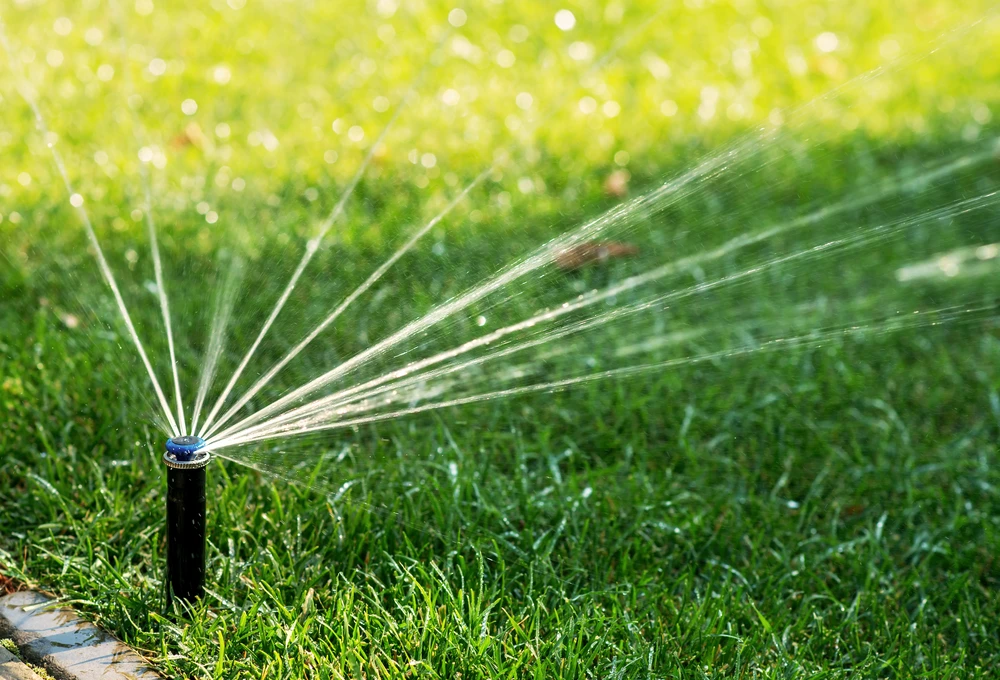
While that first zone is running, it is smart to watch the heads and listen for sputtering. A little sputter is normal because air is leaving the irrigation lines. What is not normal is a head that never reaches full spray, water bubbling in one spot, or a sudden gush near a valve box. If any of that shows up, the safest move is to shut things down and investigate, not keep running and hope it resolves. That is how minor problems stay small.
Irrigation Tune-Up: Fixing Leaks and Saving Water
Landscaping Fixes That Stop Hidden Leaks Fast
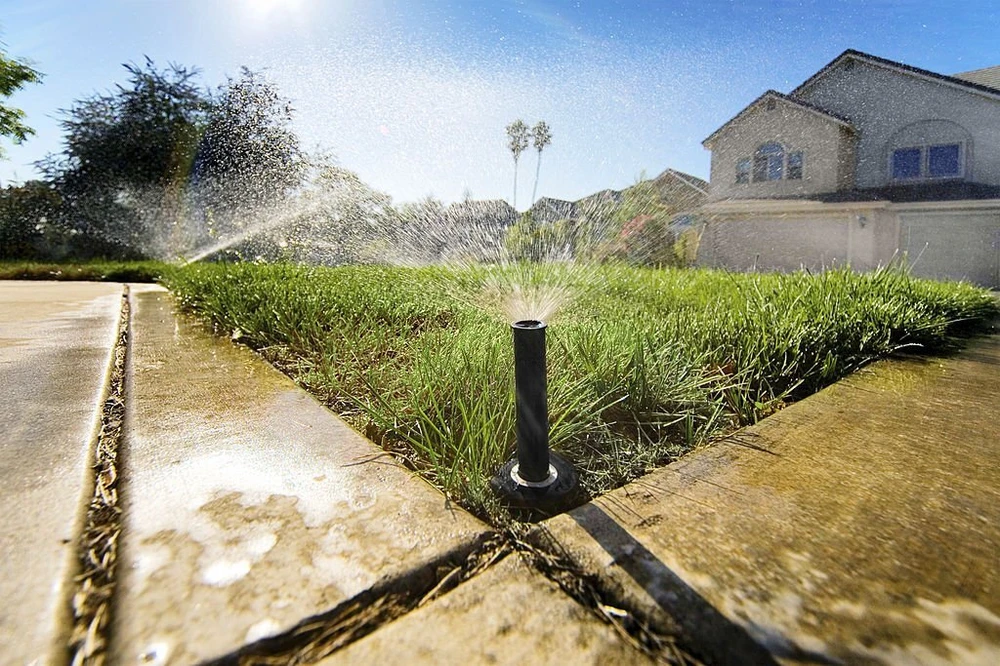
Once the system is pressurized, the most critical work is usually in the details. A head spraying onto a sidewalk might not look like a disaster, but over the course of weeks, it can waste a surprising amount of water. A head that sits too low can get buried by mulch, then it sprays into the mulch and never reaches the plant roots. In Austin, TX, sun and heat later in the year will magnify those issues, so February is a smart time to correct them while the yard is still waking up.
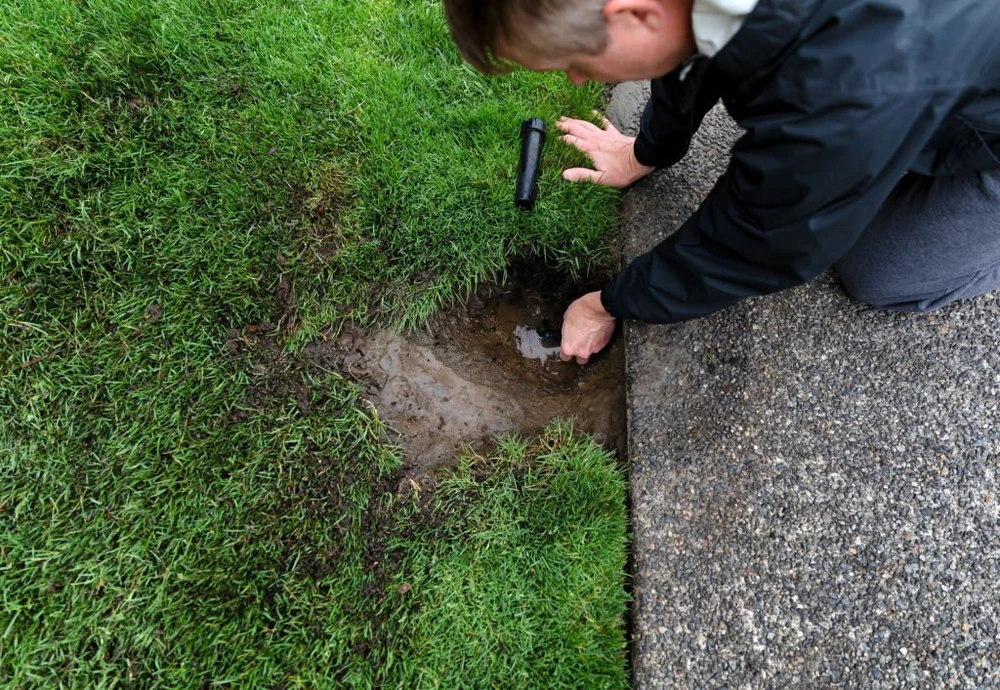
Leaks are not always dramatic, either. Sometimes irrigation leaks show up as a soft spot in turf, a small sinkhole near a head, or algae on stone that never fully dries. If a homeowner sees that, it often means water is escaping under the surface, and that can wash out soil under pavers or edging. That is where landscaping and irrigation overlap in a big way, because the best patio or bed line can settle if water undermines it. A careful tune-up protects the work that is already there.
Water-Saving Irrigation Upgrades for Austin, TX Homes
A tune-up is also a good moment to ask if the irrigation layout still matches the yard. Over time, beds expand, turf areas shrink, and new plants get added. If the system was not adjusted, a spray head might be watering an area that is now mulch, or a drip zone might not reach a new planting. In Austin, TX, where summer heat can be harsh on plants, proper coverage matters, but so does avoiding overwatering. The most water-saving change is often simple, like swapping a nozzle, correcting head height, or adding drip to a bed that used to be sprayed.
This is also where custom landscaping makes a difference, because no two yards handle water the same way. A shady side yard with heavy soil needs different irrigation timing than a sunny slope that drains quickly. A local expert will pay attention to runoff, low spots, and how people actually use the space. Sometimes the best fix is redirecting a head so it waters plants, not a fence, and sometimes it is updating a pressure regulator to reduce misting. Minor adjustments can cut waste without leaving the yard stressed.
Conclusion
Now that the safest way to pressurize an irrigation system after winter is clearer, it should feel less like a gamble and more like a careful restart. In Austin, TX, those February weather swings can be tough, but a slow open and a watchful test run can prevent breaks and wasted water. If any part of the system seems off, it is better to handle it early, before spring demand puts extra strain on every zone. At G's Landscaping & More, we help homeowners protect their irrigation, strengthen their landscaping, and keep water use responsible from the start. If you want a hand with start-up or repairs, contact us, and we’ll get you scheduled.

